Repair phone, tablet
and laptop at your doorstep
Doorstep Service
Safety with No risk
90 - Day Warranty

Smart Home Technology: The Future of Modern Living in Southern Orange County
Smart Home Definition Explained Simply
Smart Homes vs Traditional Homes
The Role of IoT in Smart Home Systems
Why Smart Homes Are Growing Rapidly in the United States
Modern Lifestyle and Technology Adoption
Convenience, Comfort, and Time Savings
Smart Living in Southern Orange County
Core Components of a Smart Home System
Smart Thermostats and Climate Control
Smart Locks and Access Control
Sensors and Automation Technology
Smart Home Security and Surveillance
Remote Access via Mobile Devices
The Role of Computers, Mobile Phones, and Networks
Smart Homes and Property Value
Energy Efficiency and Cost Savings
Common Smart Home Issues and Troubleshooting
Professional Installation vs DIY Smart Homes
Smart Home Services in Southern Orange County
The Future of Smart Home Technology
How to Choose the Right Smart Home Service Provider
Who Should Invest in a Smart Home?
Smart Home Costs and Budget Planning
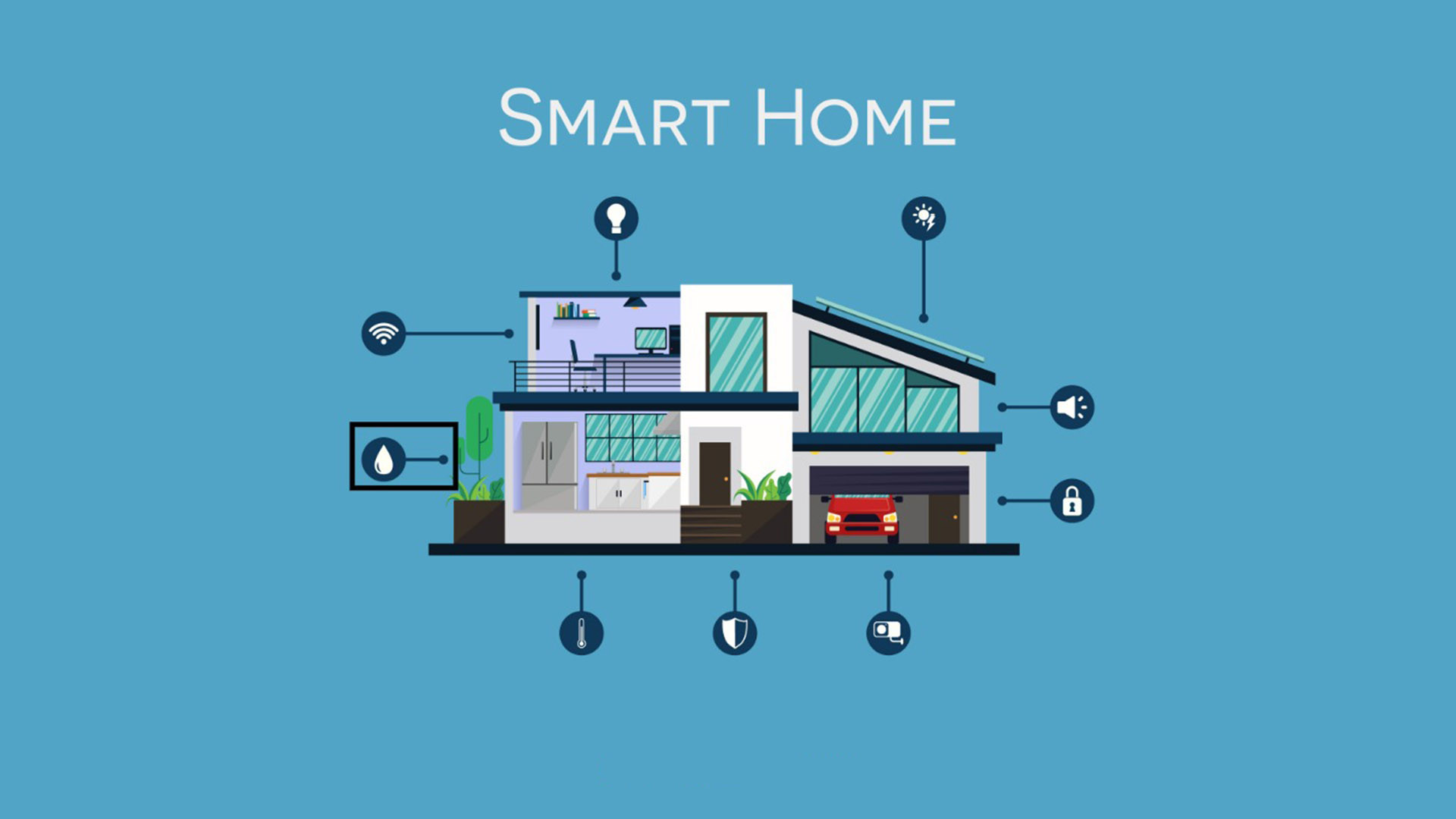
Smart home technology is no longer a luxury reserved for tech enthusiasts or high-end properties. Today, it has become a practical and intelligent solution for homeowners who want more control, security, and efficiency in their daily lives. In areas like Southern Orange County, where technology-driven lifestyles and modern living standards are the norm, smart homes are quickly becoming an essential part of residential living. From controlling lighting and temperature to monitoring security cameras remotely, smart homes redefine how people interact with their living spaces.
Smart Home Definition Explained Simply
A smart home is a residence equipped with interconnected devices that can be controlled remotely through a smartphone, tablet, or computer. These devices communicate through the internet, allowing homeowners to manage lighting, climate, security systems, and even appliances from anywhere. Instead of manually operating each system, smart homes centralize control, making daily tasks easier, faster, and more efficient.
Smart Homes vs Traditional Homes
Traditional homes rely heavily on manual control—switches, keys, and physical presence. Smart homes, on the other hand, are built around automation and remote access. Imagine adjusting your home temperature before you arrive, or receiving an alert if someone approaches your front door while you're away. This level of control not only improves convenience but also enhances safety and peace of mind.
The Role of IoT in Smart Home Systems
The Internet of Things (IoT) is the backbone of smart home technology. IoT allows devices such as cameras, thermostats, sensors, and lighting systems to communicate with each other in real time. This connectivity enables automation scenarios, such as turning off lights when no one is home or activating security systems automatically at night.
Why Smart Homes Are Growing Rapidly in the United States
Modern Lifestyle and Technology Adoption
American households are increasingly dependent on technology for work, communication, and entertainment. With more people working remotely and managing busy schedules, smart homes provide practical solutions that save time and reduce stress. Automation helps homeowners focus on what matters most while their home systems operate efficiently in the background.
Convenience, Comfort, and Time Savings
Smart homes simplify everyday routines. Whether it’s voice-controlled lighting or automated climate control, these systems eliminate repetitive tasks. Over time, the convenience translates into significant time savings and a more comfortable living environment.
Smart Living in Southern Orange County
Southern Orange County is known for its modern infrastructure and tech-savvy population. Homeowners in this region often prioritize security, efficiency, and connectivity, making smart home solutions a perfect fit for the local lifestyle.
Core Components of a Smart Home System
Smart lighting allows homeowners to control brightness, color, and schedules through mobile apps. Lights can be automated based on time, occupancy, or even mood, creating personalized environments while reducing unnecessary energy usage.
Smart Thermostats and Climate Control
Smart thermostats learn user preferences and adjust temperatures automatically. This not only improves comfort but also reduces energy bills by optimizing heating and cooling patterns.
Smart Locks and Access Control
Smart locks eliminate the need for physical keys and allow remote access management. Homeowners can grant or revoke access instantly, making them ideal for families, guests, or service providers.
Sensors and Automation Technology
Motion sensors, door sensors, and environmental sensors work together to create a responsive home. These sensors trigger automated actions, enhancing both security and efficiency.
Smart Home Security and Surveillance
Modern security cameras provide live streaming, cloud storage, and motion detection alerts. Users can monitor their property in real time, offering unmatched peace of mind.
Integrated alarm systems instantly notify homeowners of suspicious activity. When paired with professional monitoring, they add an extra layer of protection.
Remote Access via Mobile Devices
With mobile integration, security systems remain accessible at all times, allowing homeowners to stay connected no matter where they are.
The Role of Computers, Mobile Phones, and Networks
Smart homes rely heavily on stable networks and reliable devices. Smartphones and computers serve as control hubs, while proper network administration ensures seamless communication between systems. This makes IT support, network troubleshooting, and upgrades critical for long-term performance.
Smart Homes and Property Value
Homes equipped with smart technology often attract more buyers and command higher prices. Smart features are increasingly seen as valuable upgrades, making properties more competitive in the real estate market.
Energy Efficiency and Cost Savings
Smart homes optimize energy usage by automatically adjusting systems based on real-time data. This results in lower utility bills and reduced environmental impact, making smart living both economical and eco-friendly.
Common Smart Home Issues and Troubleshooting
Like any technology, smart homes may experience connectivity issues or software glitches. Professional troubleshooting and regular maintenance ensure systems remain reliable and secure.
Professional Installation vs DIY Smart Homes
While DIY options exist, professional installation ensures proper configuration, security, and long-term stability. Expert technicians prevent costly mistakes and optimize system performance.
Smart Home Services in Southern Orange County
Local service providers specializing in computer repair, mobile device support, IT services, security camera installation, and smart home solutions play a vital role in delivering reliable smart home experiences.
The Future of Smart Home Technology
Artificial intelligence is pushing smart homes toward full automation. Homes will soon anticipate user needs, creating seamless and intuitive living environments.
How to Choose the Right Smart Home Service Provider
Experience, technical expertise, and responsive customer support are essential when selecting a smart home service provider.
Who Should Invest in a Smart Home?
Smart homes benefit families, professionals, business owners, and seniors alike. Anyone seeking convenience, safety, and efficiency can benefit from smart living.
Smart Home Costs and Budget Planning
Costs vary based on system complexity and features. However, smart homes should be viewed as a long-term investment in comfort, security, and property value.
Final Thoughts on Smart Home Living
Smart homes are shaping the future of residential living. For homeowners in Southern Orange County, investing in smart technology means embracing efficiency, security, and modern comfort—all in one connected space.
Doorstep Service
Safety with No risk
90 - Day Warranty